
Short answer: the only sure way to avoid a hangover is not to drink. If you do drink, what helps most is simple: eat first, drink water between drinks, pace yourself, and sleep. No pill, patch or remedy cures a hangover, and several popular ones don't help at all.
What causes a hangover
A hangover comes from several things happening at once:
- Dehydration, because alcohol makes you lose fluid
- Poor sleep, even if you fall asleep quickly
- Irritation of the stomach lining
- Acetaldehyde, a byproduct your body makes while breaking down alcohol
- Low blood sugar and inflammation
The more you drink, the more these add up. Everyone reacts differently, so the same amount of alcohol can affect two people very differently.
Before you go out
- Eat a proper meal. Food slows how quickly alcohol is absorbed. Protein, healthy fats and whole grains work better than something sugary.
- Drink water. Start the night hydrated, with a glass or two of water before your first drink.
- Get some sleep the night before. Going out tired makes the next day harder.
- Take a supplement if you use one. Hangover supplements and patches are usually taken before the first drink. Choose one that lists the amount of each ingredient, and keep your expectations realistic.
While you're drinking
- Pace yourself. Your liver processes about one standard drink an hour. Drinking faster than that builds up alcohol in your blood.
- Alternate with water. A glass of water between drinks slows you down and helps with fluids.
- Choose lighter drinks. Clear spirits and white wine contain fewer congeners than whiskey, rum and red wine. Congeners are byproducts of fermentation linked to worse hangovers.
- Go easy on sugary mixers and energy drinks. They make it harder to notice how much you've had.
The morning after
- Rehydrate. Water, or an electrolyte drink if you've been sick or sweating.
- Rest. Alcohol disrupts deep sleep, so a nap helps if you can take one.
- Eat something simple. Toast, eggs, bananas or oats can help steady your blood sugar.
- Be careful with painkillers. Avoid acetaminophen (Tylenol) while alcohol is still in your system, because together they can harm your liver. Aspirin and ibuprofen can irritate the stomach. If you take medication or have a health condition, ask a pharmacist what's safe for you.
- Ginger or peppermint tea can help settle a queasy stomach.
What doesn't help
- Hair of the dog. Another drink only delays the hangover.
- Coffee as a cure. It may help you feel more awake, but it doesn't speed up recovery.
- Energy drinks. They can make dehydration worse.
- Activated charcoal the next morning. By then the alcohol is already in your bloodstream.
- Greasy food after drinking. It can upset your stomach more. Eat before you drink instead.
Where a hangover patch fits
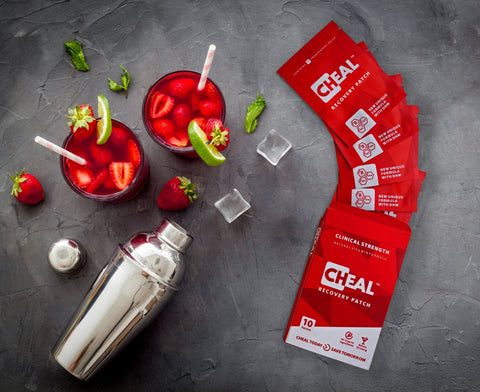
A patch like Cheal is one optional step in the "before" list. You put it on about 30 minutes before your first drink and wear it overnight. It's designed to release B vitamins, antioxidants and plant extracts gradually while you're out and while you sleep. It doesn't change how alcohol affects you, so the habits above still matter most. Do vitamin patches work? covers what the research says.
The bottom line
Plan ahead: eat, drink water, pace yourself and get some sleep. Those habits do more than any remedy. Please drink responsibly, and never drink and drive.
Source
National Institute on Alcohol Abuse and Alcoholism. Hangovers fact sheet.

